
Lake Gormire
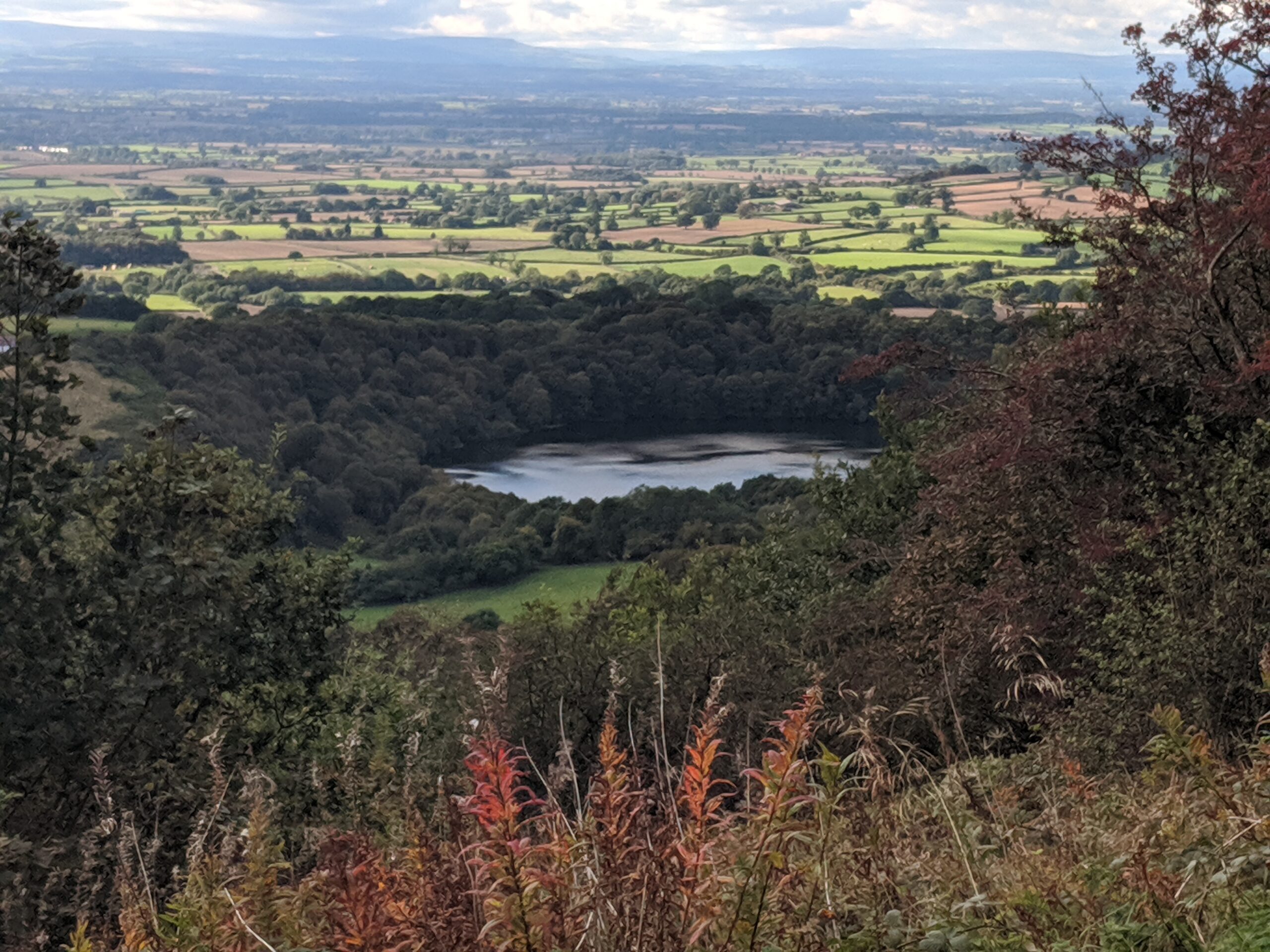
Lake Gormire lies in a steep hollow beneath the towering face of Sutton Bank, a dark and quiet mere whose waters have gathered more stories than ripples. It is one of the few natural lakes of the North York Moors, and its stillness has long encouraged the belief that it is older than the villages around it, older even than the roads that pass above. The tales that cling to its margins are few, but each carries a weight that suggests long memory and deeper fear.
The Bottomless Mere
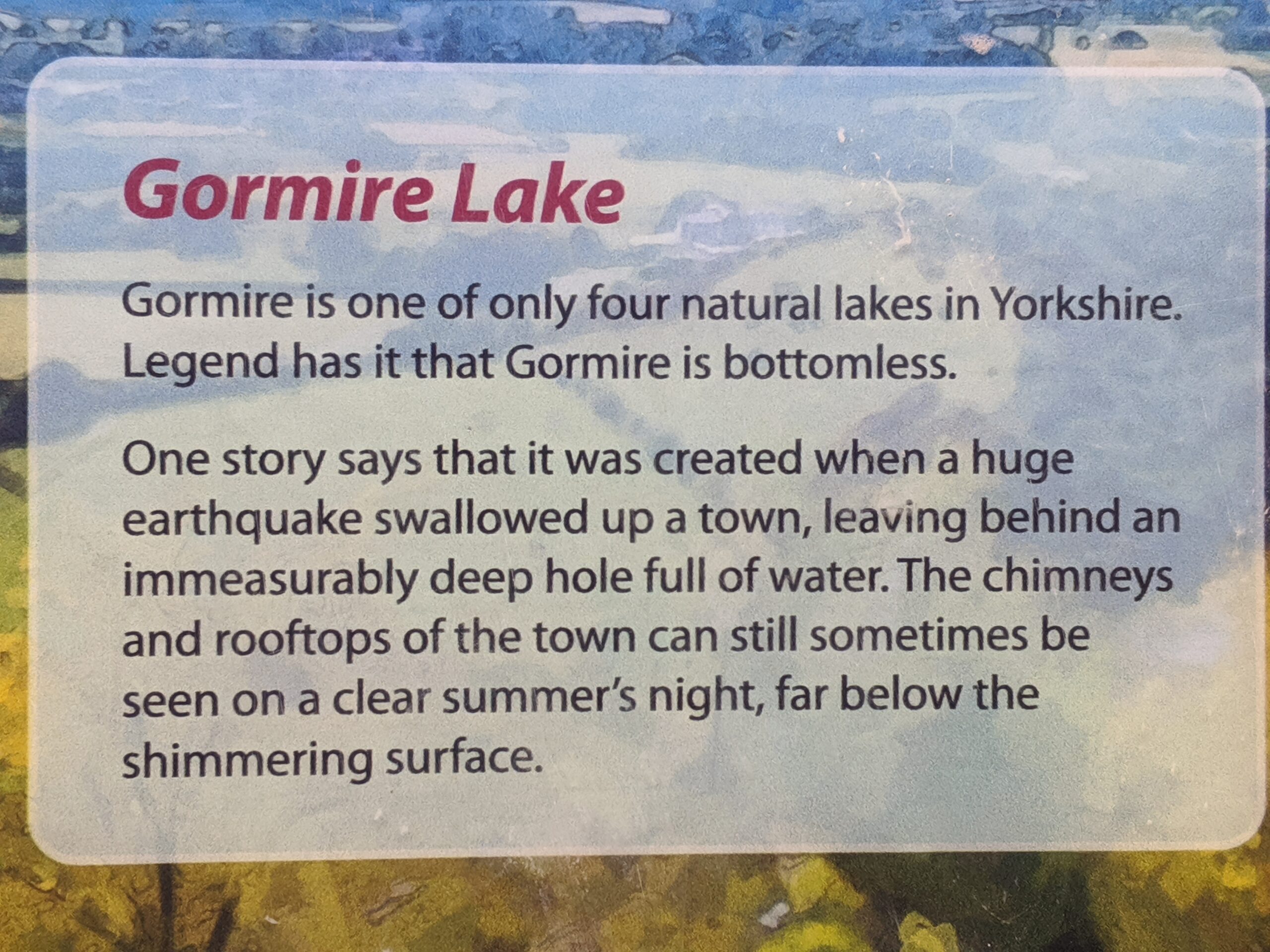
The oldest tradition claims that Gormire has no true bottom. Its waters are said to descend into caverns beneath the Hambleton Hills, linking the lake to unseen chambers and forgotten wells. One tale tells of a horse that strayed into the mere and vanished beneath the surface. Three days later, the creature was found alive in a well at Thirsk, soaked and trembling, as though it had travelled through the earth itself.
Such stories are common in the folklore of dark lakes, yet Gormire’s version is unusually precise. The idea of hidden passages beneath Sutton Bank lends the tale a sense of uneasy possibility. The lake becomes not a place of drowning, but a threshold, a gate through which living things may pass and return changed.
The Sunken Village
Another story speaks of a village that once stood where the lake now lies. No name is given, and no record survives, yet the tale insists that the settlement was swallowed in a single night. Some versions claim the villagers were warned by a wandering hermit, who urged them to abandon their pride and repent. Others say the people mocked him, and the earth opened beneath their feet as punishment.
In certain tellings, the church bell can still be heard beneath the water when the air is still and the mist hangs low. It is a faint tolling, as though rung by hands long drowned. The story offers no survivors, no redemption, only the quiet certainty that the lake covers more than mud and reeds.
The White Lady
A later haunting, spoken of in the nineteenth century, tells of a pale woman seen walking the edge of the mere at dusk. She is described as slender and silent, her hair trailing behind her like a veil. Some witnesses claim she moves into the water without disturbing its surface, fading into the dark as though welcomed by it.
No tale explains her origin. She is not tied to the sunken village, nor to any known tragedy. She appears only when the mist rises from the lake, a solitary figure whose presence feels older than the stories that attempt to name her. She is the kind of apparition born from atmosphere rather than event, shaped by the stillness of the water and the shadow of the cliffs above.
The Devil’s Leap
The cliffs of Sutton Bank carry their own legend, and Gormire is drawn into it. Local lore tells that the Devil once leapt from the high escarpment, landing in the lake with such force that the rocks above were scorched. Another version claims he was pursued by a holy man, and the mere swallowed him to prevent his escape. The tale is fragmentary, yet it binds the lake to the wider mythic landscape of the Hambleton Hills, where sacred and profane forces are said to have contended.
The Black Mere
Older voices sometimes called Gormire the Black Mere, a name that speaks less of colour than of character. Livestock were said to avoid drinking from it, and children were warned not to swim in its depths. The water was believed to hold its own counsel, reflecting little and revealing less. This name does not form a story in itself, but it shapes the lake’s identity, marking it as a place where caution is wiser than curiosity.
Lake Gormire remains a quiet place, its surface often unbroken, its stories carried in the hush beneath Sutton Bank. Whether bottomless threshold, drowned village, haunted shore or devil’s resting place, it endures as one of those landscapes where folklore gathers naturally, drawn to the stillness and the dark.